

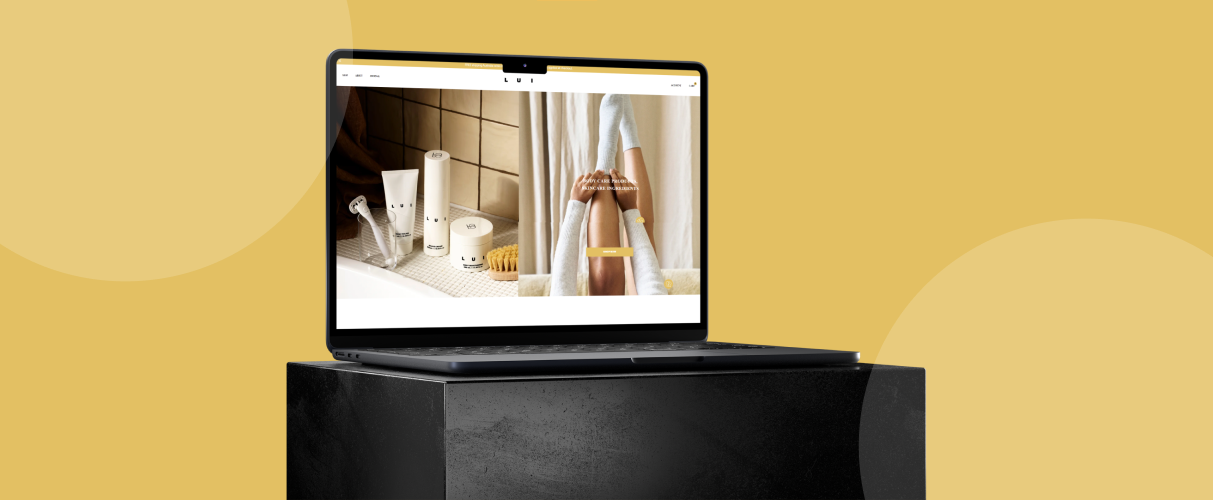
In the ever-changing landscape of digital experiences, web design has evolved into much more than aesthetics. It has become a discipline of clarity, efficiency, and purpose. At the forefront of this evolution is minimalism, a design philosophy that strips away unnecessary clutter and focuses on essential elements. As we step into 2025, minimalism in web design is not just a stylistic choice; it is a necessity for businesses that want to thrive online.
At Webview Digital, we believe minimalism represents the perfect blend of design and function, ensuring websites don’t just look stunning but also perform at their peak. Whether you’re running a global e-commerce store, a growing startup, or a corporate enterprise, adopting minimalist principles can reshape how your audience perceives and interacts with your brand.
In this in-depth exploration, we’ll cover why minimalism has become a standard in modern web design, how it influences user behavior, and why businesses in 2025 must embrace this “less is more” philosophy to remain competitive.
The Rise of Minimalism in Digital Experiences
Minimalism as an artistic movement has been around since the 1960s, but in web design, its prominence has skyrocketed over the past decade. Originally born out of necessity due to bandwidth limitations and screen constraints, minimalism has since become a deliberate design choice.
With more than half of internet traffic now coming from mobile devices, websites must adapt to smaller screens, faster load times, and simplified user journeys. Minimalism answers this demand beautifully. Clean interfaces, ample white space, carefully chosen typography, and restrained color palettes create digital environments that feel modern, elegant, and intuitive.
When we talk about minimalism today, we’re not referring to bare-bones design with no personality. Instead, minimalism in 2025 means strategic simplicity: removing distractions and emphasizing the elements that truly matter. For businesses working with a web design agency in Poland like Webview Digital, this strategy ensures every pixel serves a purpose.
Why Minimalism Matters More Than Ever in 2025
The digital ecosystem of 2025 is defined by speed, user-centricity, and emotional connection. Here’s why minimalism has become central to achieving all three:
1. Mobile-first expectations
With mobile usage surpassing desktop, users expect fast, smooth, and clutter-free navigation. A minimalist layout ensures a consistent experience across devices while keeping loading times lightning fast.
2. Information overload
Every user today is bombarded with content. Minimalism cuts through the noise, giving visitors only the most relevant information without overwhelming them.
3. Emotional resonance
Design is no longer just functional; it shapes brand perception. A minimalist interface evokes calmness, clarity, and trust, qualities that consumers crave in an overstimulated digital world.
4. Search engine optimization (SEO)
Minimalist websites typically load faster and have cleaner code, both of which contribute to higher SEO rankings. This aligns perfectly with modern algorithms that reward user experience.
5. Accessibility and inclusivity
Minimalist designs tend to be more accessible, thanks to high contrast, clear typography, and simplified structures that assist users of all abilities.
By embracing these principles, brands collaborating with a professional web design team can ensure they remain not only visually relevant but also technically optimized for search engines and conversions.
The Psychology of Minimalist Design
Human psychology plays a critical role in why minimalism works so effectively. Research shows that clutter impairs decision-making, increases stress, and causes users to abandon tasks prematurely. Minimalist design, by contrast, reduces cognitive load, allowing the brain to process information more comfortably.
For example, a landing page with a clear call-to-action button surrounded by white space captures attention faster than a crowded page full of banners, pop-ups, and flashing elements. In 2025, where attention spans are shorter than ever, minimalism ensures your message is delivered without distraction.
Minimalist aesthetics also leverage visual hierarchy. By carefully positioning elements, using typography as a focal point, and relying on contrast rather than decoration, designers guide users naturally toward actions like making a purchase, booking a service, or filling out a contact form. This is particularly valuable for businesses seeking to convert visitors into leads through Webview Digital’s professional services.
The Core Elements of Minimalist Web Design in 2025
Minimalism has its own toolkit, and in 2025, these core elements define successful minimalist websites:
White Space as a Design Element
White space (or negative space) isn’t empty; it’s intentional breathing room that highlights important content. Modern websites use it to create balance and rhythm, allowing the eye to rest and focus on what truly matters.
Simplified Color Palettes
Brands in 2025 are embracing limited palettes, often revolving around two or three main colors with occasional accent tones. This creates harmony and reinforces brand identity without overwhelming users.
Typography as the Hero
Minimalist websites often make typography the star of the show. Bold, readable fonts paired with ample spacing ensure messages are conveyed powerfully and elegantly.
Functional Icons and Imagery
Instead of decorative stock images, modern minimalism uses purposeful imagery: custom illustrations, simple icons, and high-quality photography that adds meaning rather than filler.
Flat and Neumorphic Design Trends
While flat design emphasizes simplicity, neumorphism adds subtle shadows and highlights to create a tactile, modern feel. Both approaches thrive under the minimalist philosophy.
Responsive Grids
Minimalist designs thrive on structure. Grid-based layouts ensure alignment, balance, and responsiveness across all devices, a must-have in today’s mobile-first world.
Minimalism Meets Technology: The 2025 Perspective
Technology has pushed minimalism to new heights. AI-driven personalization, motion design, and interactive experiences are no longer seen as opposites of minimalism but as complementary enhancements.
For instance, micro-interactions like subtle hover effects or animated transitions add depth without clutter. Similarly, AI can help personalize content dynamically while maintaining a clean and minimalist framework.
By combining minimalism with these innovations, companies working with a dedicated web design partner can craft experiences that feel modern yet timeless.
Case Study Approach: Why Businesses Choose Minimalism
- Site A: Packed with images, flashy animations, pop-ups, and competing calls to action.
- Site B: A clean design with one hero image, a single headline, and a clearly visible “Get Started” button.
Users on Site B are far more likely to complete the intended action because the design removes friction and distraction. This simplicity directly translates into higher conversion rates, stronger brand trust, and better SEO performance.
At Webview Digital, we’ve seen firsthand how adopting minimalist strategies has transformed business outcomes for clients. By focusing on clarity, function, and storytelling, minimalism turns websites into powerful digital assets rather than just online brochures.
Minimalism and Brand Identity
One misconception is that minimalism strips away personality. On the contrary, when executed thoughtfully, minimalism amplifies brand identity. A minimalist design allows your logo, typography, and tone of voice to shine without interference.
For example, Apple has built its brand on minimalism. From their website to product packaging, every interaction is designed with restraint, creating an identity synonymous with sophistication. This is proof that less can indeed communicate more.
For growing brands, working with a web design agency in Poland like Webview Digital ensures that minimalism is applied strategically, balancing universal usability with unique brand storytelling.
SEO and Minimalism: The Perfect Pairing
Search engines in 2025 prioritize three main factors: user experience, speed, and relevance. Minimalist websites naturally align with all three.
User experience: Fewer distractions mean users engage longer and bounce less, signaling quality to search engines.
Speed: Minimalist designs rely on fewer heavy elements, improving page load times dramatically.
Relevance: Clean layouts highlight structured content, making it easier for crawlers to index and rank.
When combined with professional SEO-driven web design services, minimalism becomes not just a design philosophy but an SEO strategy.
Minimalism Across Industries
Minimalist web design is not confined to tech startups or luxury brands. In 2025, businesses across industries are adopting minimalism to achieve clarity and impact.
E-commerce: Clear product displays with simple navigation boost conversions.
Healthcare: Trust and clarity are essential. Minimalism reduces confusion for patients seeking information.
Corporate websites: Professionalism and credibility are communicated through clean, uncluttered interfaces.
Creative portfolios: Minimalist layouts let the work itself take center stage.
This universality makes minimalism a safe yet powerful choice for businesses in every sector, particularly when executed with expertise by a web design partner like Webview Digital.
Partnering with Experts for Minimalist Design
Adopting minimalism requires expertise. Striking the right balance between simplicity and functionality is not easy. It demands design precision, technical knowledge, and a deep understanding of user behavior.
That’s why businesses turn to Webview Digital. As a trusted web design agency in Poland, we specialize in creating websites that combine minimalist elegance with strategic performance. From services tailored to your industry to custom web solutions, our team ensures your brand stands out while staying timeless.
If you’re ready to explore how minimalism can transform your digital presence, don’t hesitate to contact us today.
Conclusion: Less Is More, Now and Always
Minimalism in web design is not just a passing trend. It’s a philosophy rooted in human psychology, user behavior, and technological advancement. In 2025, when digital experiences are shaped by speed, clarity, and trust, businesses that embrace minimalism will have a significant advantage.
At Webview Digital, we’ve seen how “less is more” translates into higher conversions, stronger branding, and long-term digital growth. Whether you’re a startup looking to make a strong first impression or an established company aiming to modernize, minimalism ensures your website is not just visually appealing but strategically powerful.
The future of web design is simple, elegant, and functional. And in this future, minimalism will always remain the cornerstone.
Aleksandra Siwińska | Business Analyst