

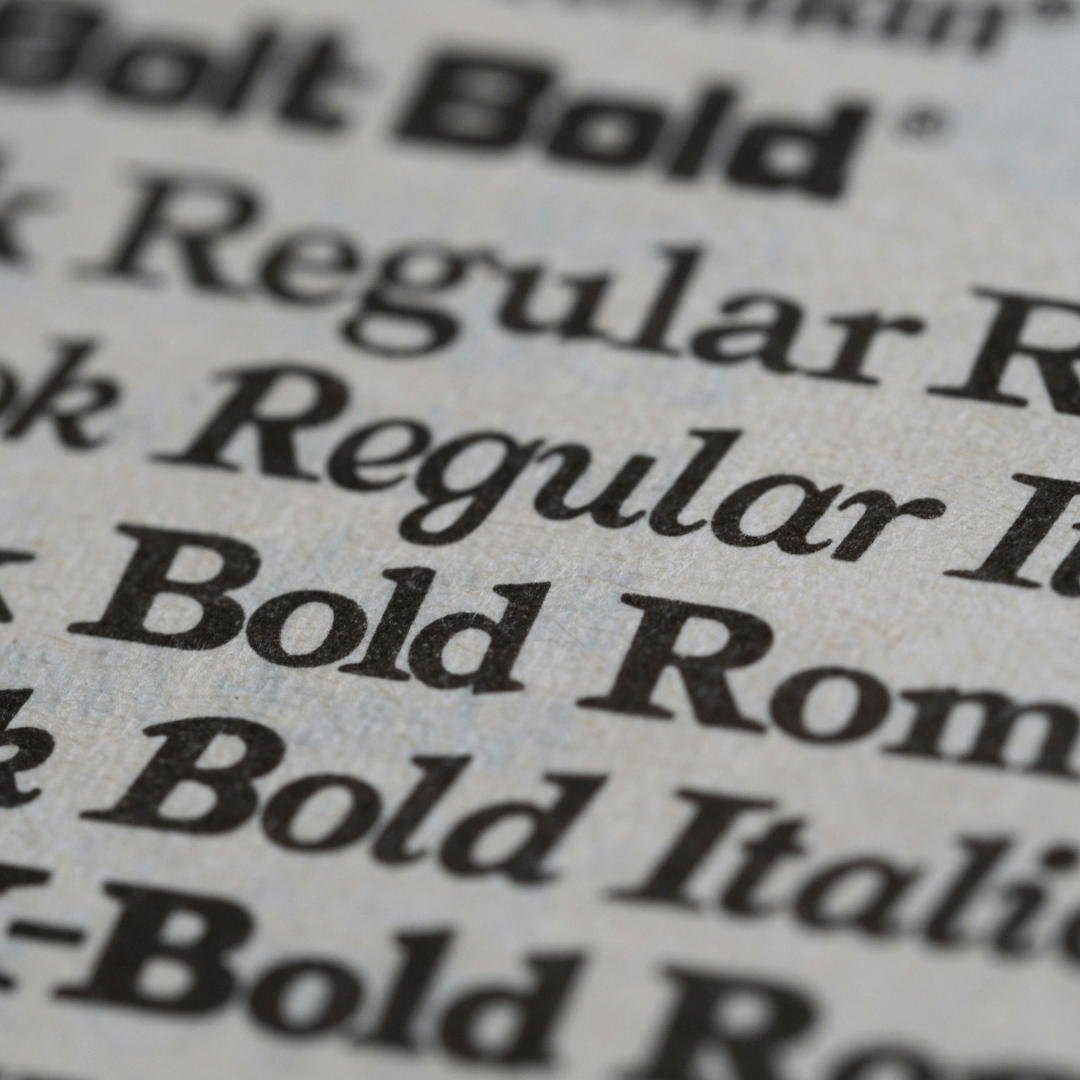
In today’s digital-first world, web design has become more than just aesthetics. It is the bridge between businesses and their audiences. Among the many design elements that contribute to an engaging and functional website, typography stands out as one of the most powerful. The fonts, sizes, spacing, and styles you choose are not just about readability; they shape how users perceive your brand, interact with your content, and even decide whether to trust your website.
At Webview Digital, we understand the deep influence typography has on user experience and brand identity. In this blog, we’ll explore the role of typography in creating impactful web designs, its principles, best practices, and how it ties into modern UI/UX design strategies.
The Psychology of Typography
Typography goes beyond visual appeal; it directly influences human psychology. Each font family carries associations:
Serif fonts: Classic, professional, trustworthy (think Times New Roman).
Sans-serif fonts: Modern, clean, straightforward (like Helvetica or Arial).
Script fonts: Elegant, creative, personal.
Display fonts: Bold, attention-grabbing, often used for headlines.
When crafting impactful designs, businesses must match typography to their brand voice. For example, a luxury fashion brand might choose a sleek serif, while a tech startup often opts for clean sans-serif fonts to reflect innovation.
At Webview Digital, our UI/UX design process includes detailed typography research to ensure it aligns with brand personality and audience expectations.
Why Typography Matters in Web Design
Typography is more than just “choosing fonts.” It is the art and technique of arranging type to make written language not only legible but also appealing and meaningful. Let’s break down why typography is so essential:
First Impressions Count
The moment a user lands on your site, typography communicates professionalism, creativity, and brand personality. A clean, modern sans-serif might convey innovation, while a serif font might suggest tradition and trustworthiness.
Enhances Readability and Usability
Good typography ensures that visitors can easily digest your content. Proper spacing, font size, and contrast guide users through the information without strain.
Establishes Brand Identity
Just like logos and color palettes, typography is a crucial part of brand identity. When done consistently, it reinforces recognition across your website, marketing materials, and social platforms.
Influences Emotions and Behavior
Fonts evoke emotions. For instance, script fonts can feel elegant, while bold, blocky fonts create a sense of urgency or strength. These subtle cues can drive users to take desired actions.
Supports SEO and Accessibility
Clear typography improves user engagement metrics such as time spent on page and lower bounce rates, which indirectly boost SEO rankings.
Learn more about how typography integrates with Web Design strategies that deliver measurable results.
Core Principles of Typography in Web Design
To create impactful typography, web designers follow certain principles:
Legibility
The ability to distinguish letters and words at a glance is non-negotiable. Overly decorative fonts may look stylish but can harm legibility.
Readability
This refers to how easy it is to read long passages of text. Choosing the right line spacing (leading), word spacing, and paragraph length all play a role.
Hierarchy
Typography creates visual order. Headlines, subheadings, body text, and captions should be clearly distinguishable. This guides the reader’s eye and emphasizes important points.
Contrast
Using contrasting font weights, sizes, or styles makes content engaging and prevents monotony. Contrast also improves accessibility for visually impaired users.
Consistency
A consistent typography system ensures cohesion across all pages and elements of your site.
Alignment and Spacing
Proper alignment provides structure, while whitespace prevents clutter and allows content to “breathe.”
These principles are the foundation for effective design. At Webview Digital, we integrate them into every project to craft websites that balance creativity with usability.
Typography and User Experience (UX)
Typography plays a central role in user experience design. A poorly chosen font or inconsistent typography system can frustrate users, while thoughtful typography enhances usability.
How Typography Shapes UX:
Navigation: Clear, bold typography helps users find what they need quickly.
Information Flow: Hierarchical typography ensures users know where to start and how to proceed.
Accessibility: Proper contrast, font size, and spacing improve inclusivity for all users.
Conversion Rates: Call-to-action buttons with strong, readable fonts improve click-throughs.
For example, think about how e-commerce platforms use bold, urgent fonts on “Buy Now” buttons versus soft, inviting fonts for lifestyle content. Typography isn’t just design; it’s strategy.
Discover more about UI/UX design services tailored to enhance user journeys.
The Role of Typography in Responsive Web Design
In today’s multi-device world, typography must adapt seamlessly across desktops, tablets, and mobile devices. Responsive typography ensures readability and consistency on all screens.
Key Practices in Responsive Typography:
Relative Units (em, rem, %): Instead of fixed pixel sizes, these allow fonts to scale.
Viewport-Based Sizing: Fonts adapt based on screen width.
Fluid Typography: Uses CSS techniques to resize fonts proportionally between devices.
Line Length Adjustments: Prevents long lines on wide screens and cramped text on small screens.
At Webview Digital, we specialize in web design solutions that make typography responsive, accessible, and user-friendly.
Typography Trends in Modern Web Design
Like all design elements, typography evolves. Here are some typography trends shaping 2025:
Variable Fonts
Allow for multiple styles within one font file, improving speed and design flexibility.
Minimalist Typography
Clean sans-serif fonts with lots of whitespace continue to dominate.
Bold Headlines
Oversized, attention-grabbing fonts are becoming popular for impactful messaging.
Handwritten and Custom Fonts
Brands are turning to unique, custom typography for originality.Dark Mode Compatibility
Typography that maintains readability and contrast in dark themes is essential.
By incorporating these trends, Webview Digital ensures your site remains fresh and relevant.
For example, Apple has built its brand on minimalism. From their website to product packaging, every interaction is designed with restraint, creating an identity synonymous with sophistication. This is proof that less can indeed communicate more.
For growing brands, working with a web design agency in Poland like Webview Digital ensures that minimalism is applied strategically, balancing universal usability with unique brand storytelling.
Best Practices for Using Typography in Web Design
- Limit font families to 2–3 for cohesion.
- Use web-safe fonts or reliable font-hosting services like Google Fonts.
- Ensure text contrasts sharply with backgrounds.
- Pay attention to line spacing (1.4–1.6x font size is ideal).
- Test fonts across devices and browsers.
- Prioritize accessibility with scalable fonts and sufficient contrast ratios.
At Webview Digital, our design process emphasizes these best practices to deliver results that look great and perform well.
How Typography Impacts SEO
Typography doesn’t just affect aesthetics. It also influences search performance. Here’s how:
Bounce Rate Reduction: Clear, engaging text keeps users longer.
Improved Readability: Search engines reward content that is well-structured and easy to read.
Content Hierarchy: Proper heading tags (H1, H2, H3) enhance SEO by signaling importance to crawlers.
Accessibility: Search engines favor sites with inclusive design practices.
Explore how our web design services can improve not just visuals but also your site’s search engine performance.
Why Partner with Webview Digital for Web Typography
Choosing the right design agency is crucial when typography and user experience are on the line. At Webview Digital, we bring:
Expertise in UI/UX Design: Our team specializes in creating seamless digital journeys.
Custom Typography Solutions: Fonts tailored to reflect your brand identity.
Focus on Accessibility: Ensuring inclusivity for all users.
SEO-Driven Design: Marrying aesthetics with performance.
Proven Track Record: Trusted by businesses across industries.
Whether you’re refreshing your current website or starting from scratch, our typography-driven design approach ensures impactful results.
Final Thoughts
Typography is more than font selection. It is storytelling, branding, and strategy wrapped into one. It guides user journeys, strengthens trust, and drives conversions. In a world where users judge websites in seconds, typography can make or break your design.
At Webview Digital, we believe typography is the silent ambassador of your brand. When paired with innovative UI/UX design and responsive web design strategies, it becomes a powerful tool to elevate your digital presence.
Ready to craft a website where every word makes an impact? Get in touch with us today.
Contact Webview Digital to start your typography-driven web design journey.
Aleksandra Siwińska | Business Analyst